
The Concept of Luck in Casino Gaming
When we step into a casino, luck often feels like the deciding factor for winning or losing. Yet, the concept of luck is inherently subjective and difficult to quantify. Each player may experience luck differently based on personal beliefs, past experiences, and emotional states. This connection makes luck a fascinating topic in the realm of gaming, leading many to ponder whether it can be measured in some capacity, especially in environments like neosurf casino , where belief can significantly influence outcomes. The belief in luck can shape players’ actions and expectations, influencing their overall experience at the gaming tables or slot machines.
For instance, consider the sheer randomness of slot machines with their colorful reels and chaotic sound effects. Many players attribute their wins to good luck, dismissing the mathematical probabilities that govern these games. This personal attribution demonstrates how players can define and perceive luck according to their individual outcomes and experiences, highlighting its elusive nature. The psychological impact of believing in good fortune can lead players to engage more enthusiastically, creating an emotional connection to their gaming experience.
Moreover, social dynamics within the casino environment can influence perceptions of luck. Players often rally around a winning player, leading to a collective belief in ‘lucky tables’ or ‘hot machines.’ This communal mindset not only underscores the psychological aspects of luck but also illustrates that luck may be more about shared experiences and social interactions than mere numbers. The phenomenon of group dynamics in casinos can amplify feelings of luck, making it seem more tangible and shared, even if it fundamentally remains an individual experience.
The Role of Mathematics in Casino Games
While luck plays a significant role in casino gaming, mathematics is the backbone of most games. Each game is designed with specific odds and probabilities that determine the likelihood of winning or losing. This mathematical approach presents a contrast to the concept of luck, stirring debate about what really drives success in these games. For instance, games like roulette and blackjack rely heavily on mathematical principles to determine outcomes, making it clear that luck alone does not dictate success.
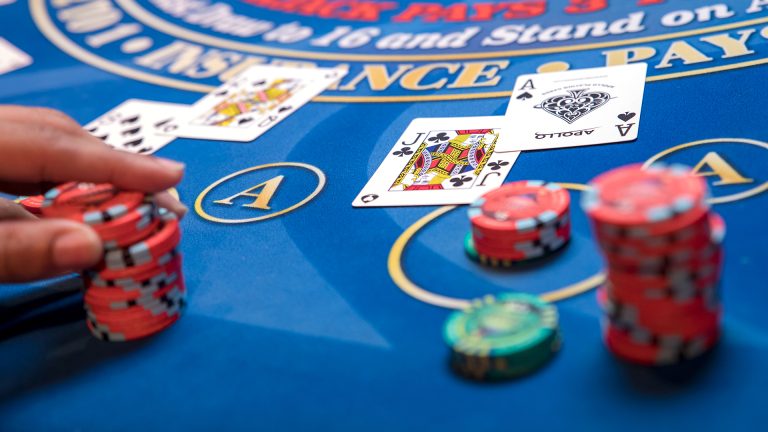
Take blackjack, for example, where players must employ strategy alongside chance. The outcome is not solely dependent on lady luck; rather, understanding the odds of drawing specific cards can significantly influence the game’s results. Players who study probabilities and employ betting strategies can improve their chances of winning, highlighting that while luck may play a part, informed decisions based on mathematical understanding can lead to better outcomes. This combination challenges the idea that luck alone can determine success in casino gaming.

Furthermore, casinos employ statistical analysis to set odds and payouts, ensuring a built-in advantage over time. This statistical foundation can effectively quantify risk, guiding players to make informed decisions. While luck may influence the immediate outcome, the long-term results are heavily dictated by the mathematics behind the games. The house edge, a critical concept in casino gaming, is derived from these mathematical principles, serving as a reminder that luck is just one element in a complex interplay of chance and strategy.
Your Mindset and Luck in Gaming
The mindset of a player significantly impacts their perception of luck. Those approaching the game with a positive outlook often report feeling lucky, while others with a defeatist attitude may see themselves as perpetually unlucky. This psychological perspective suggests that luck may not be solely based on chance but is also shaped by individual mentality. Players who maintain a proactive and optimistic mindset are likely to engage more deeply with the gaming experience and may perceive their luck as more favorable.
Cognitive biases can further skew a player’s understanding of luck. For instance, the gambler’s fallacy leads players to believe that past outcomes influence future results, causing them to chase losses in pursuits fueled by emotion rather than rationality. These mental traps can distort a player’s experience and lead to a false belief in their own quantifiable luck. Such biases highlight the psychological intricacies at play, emphasizing how personal beliefs can overshadow the mathematical realities of the games.
Additionally, the rituals players engage in, such as wearing lucky charms or performing specific actions before making a bet, can reinforce the belief in personal luck. These behaviors create a psychological comfort, bolstering players’ confidence and shaping their approach to gaming, ultimately making it seem as if luck can be influenced or controlled. The interplay between personal rituals and luck perception illustrates how deeply embedded these beliefs are in the gaming culture, affecting both individual and communal experiences.
The Impact of Technology on Luck Perception
With technological advancements, the landscape of casino gaming has evolved tremendously, introducing online platforms and sophisticated algorithms that influence perceptions of luck. Online games often simulate the experience of traditional casinos, yet they operate on completely different principles that may affect a player’s belief in their luck. The transition to digital gaming has shifted the way players understand and engage with luck, as they navigate an environment where outcomes are determined by algorithms rather than physical cards or spinning wheels.
Random number generators (RNGs) determine game outcomes in online slots and table games, and these algorithms aim to ensure fairness and unpredictability. Yet, the invisibility of RNGs can lead players to feel unconnected to the concept of luck, creating a divide between their expectations and the unpredictability of results. In a physical casino, the tangible experience of playing can enhance the feeling of luck, while online environments might dilute that sensation, leading to a more detached understanding of how luck operates.
Moreover, technology has also paved the way for data analytics, allowing players to track their betting patterns and outcomes. This wealth of information can provide insights into their gaming behavior, potentially dispelling myths regarding luck while fostering a more analytical approach to how games work. Understanding this data could lead to a more quantifiable perspective on luck within the broader context of gaming. As players become more data-driven in their approach, the perception of luck may shift from a purely emotional experience to one grounded in statistics and probability.
The Conclusion: Is Luck Truly Quantifiable?
In addressing whether luck can be quantified in casino gaming, it becomes evident that the answer is as complex as the games themselves. While mathematical principles and statistical analyses may provide a framework for understanding outcomes, the subjective nature of luck remains deeply ingrained in the player experience. The interplay between luck, skill, and strategy creates a rich tapestry that defines the casino gaming world, making it challenging to distill luck into quantifiable terms.
Ultimately, luck operates on multiple levels—psychological, social, and mathematical—making it a multifaceted phenomenon that defies easy quantification. While players may develop personal metrics for luck based on their beliefs and experiences, the unpredictable essence of casino games will always leave an element of chance hanging in the balance. This unpredictability is part of what makes casino gaming so compelling, as players navigate their own luck in an environment filled with uncertainty.
In the grand scheme, luck may not be fully quantifiable, but it enriches the gaming experience, driving both excitement and engagement in casinos worldwide. Players seeking a deeper understanding of their luck will continue to explore the interplay between chance and strategy, navigating the thrilling world of casino gaming with a sense of curiosity and wonder. As the landscape of gaming continues to evolve, the quest to understand luck will remain a captivating topic for both casual players and seasoned gamblers alike.